
How Do You Blend Public, Shared, and Private Outdoor Spaces?
Blend public and private outdoor spaces with a clear access gradient, legible thresholds, separate circulation, privacy from both sides, and an operating plan.
Read field note Level up my projectStart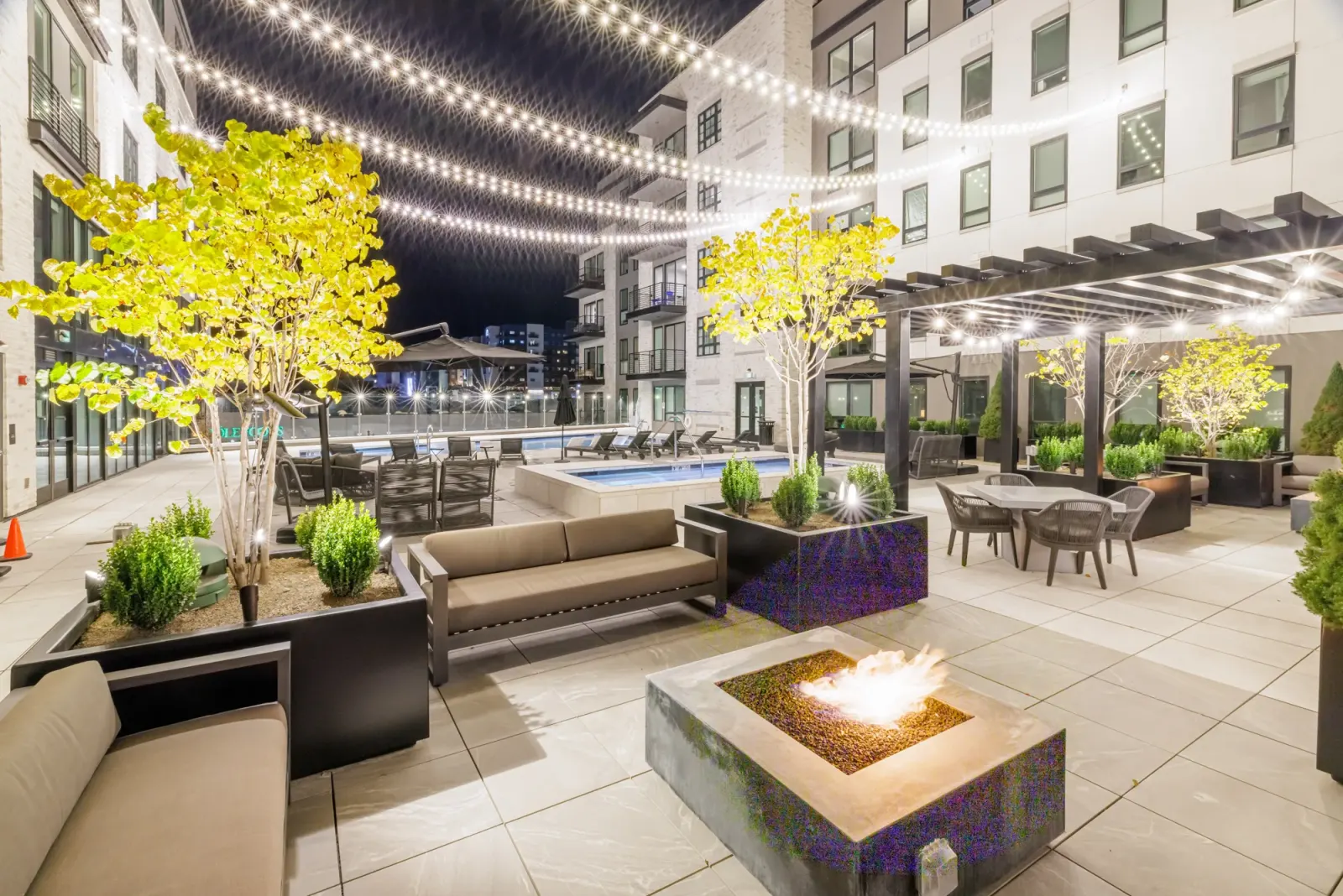
Field notes from Loft Six Four
A running edit of what we’re working on, thinking about, and obsessed with.
Two markets. One obsession.
32 field notes
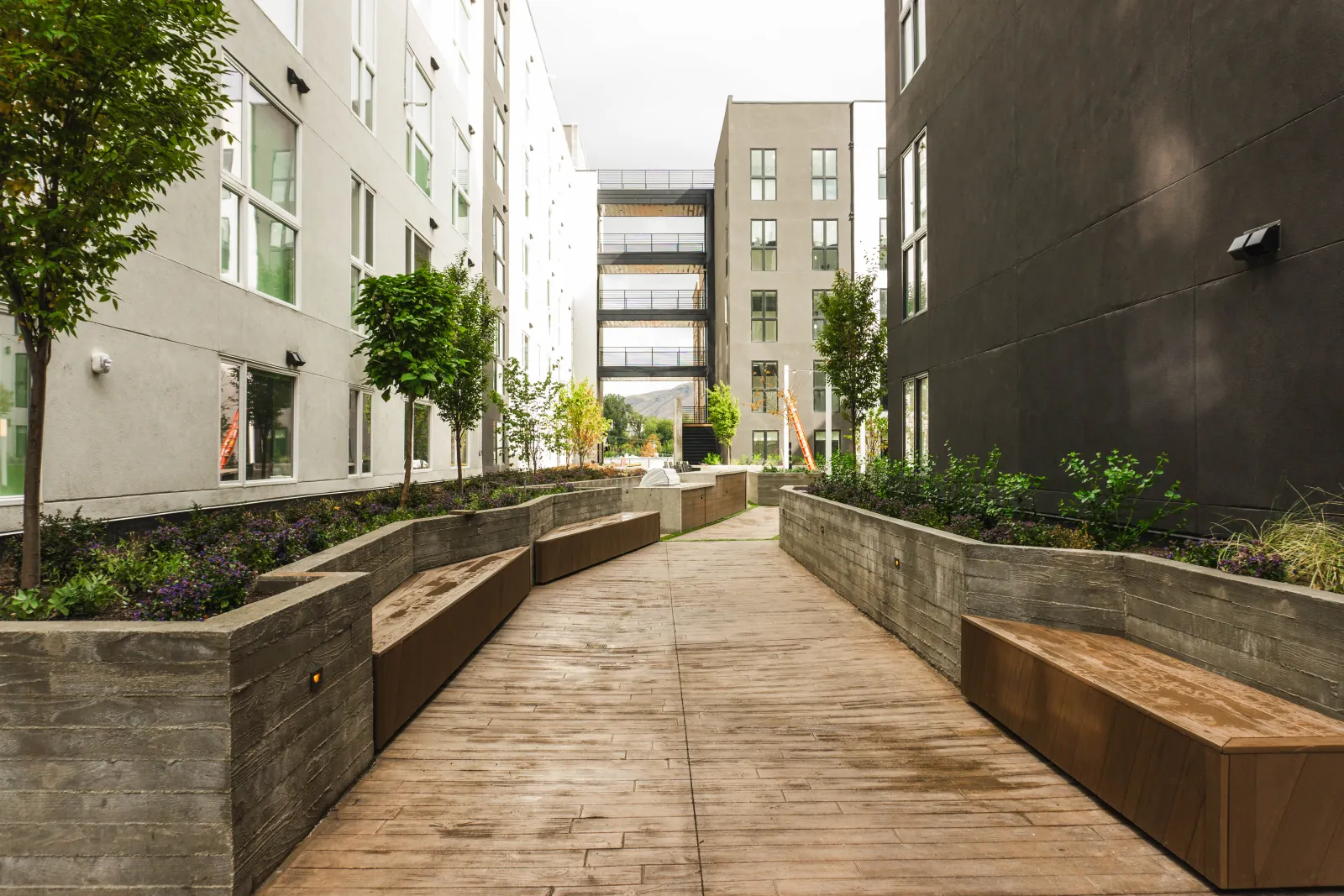
Blend public and private outdoor spaces with a clear access gradient, legible thresholds, separate circulation, privacy from both sides, and an operating plan.
Read field note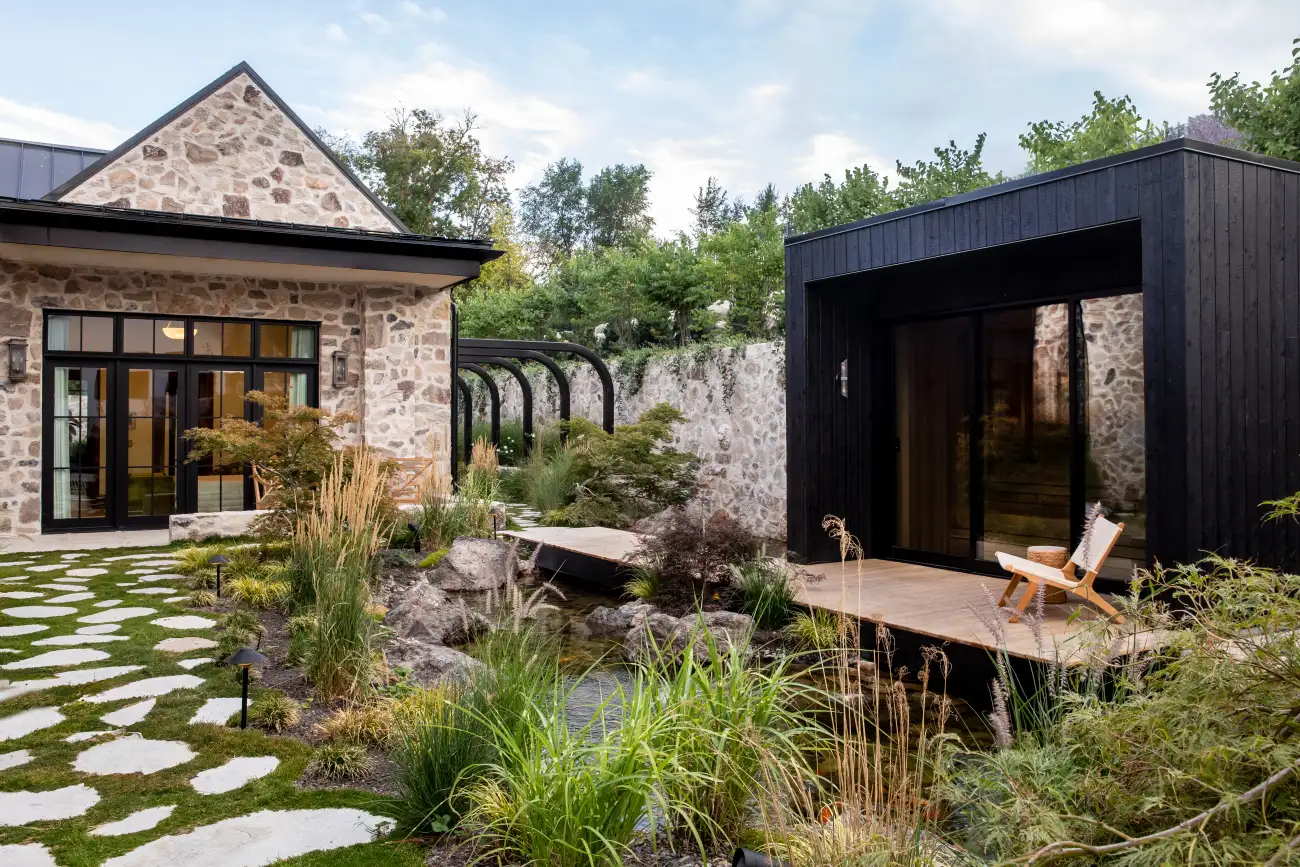
Hire a landscape architect during schematic design, before the site plan, grades, pool, access, and major outdoor relationships are fixed.
Read field note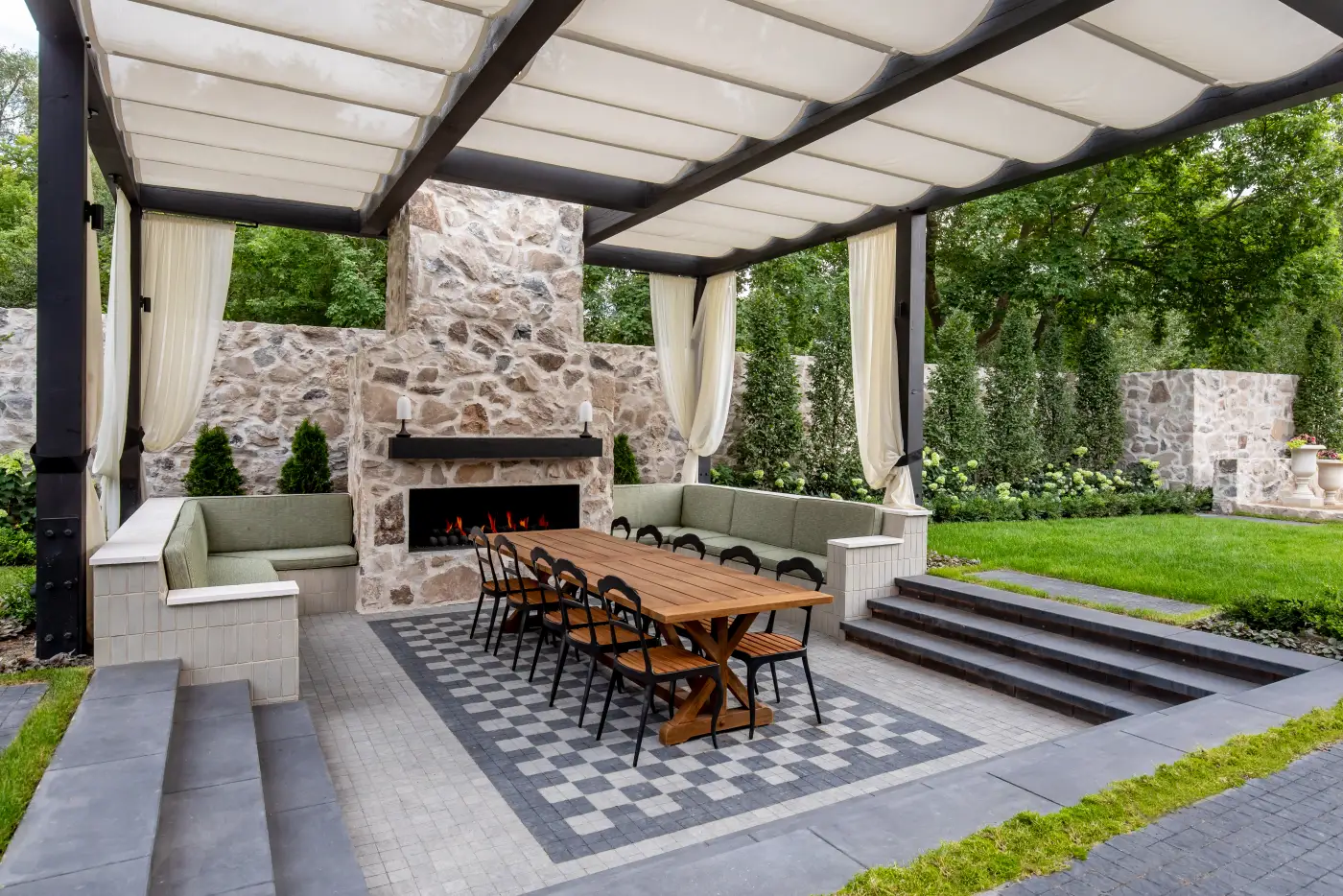
A luxury residential landscape architect leads the complete outdoor environment from site strategy and concept through technical documents and construction coordination.
Read field note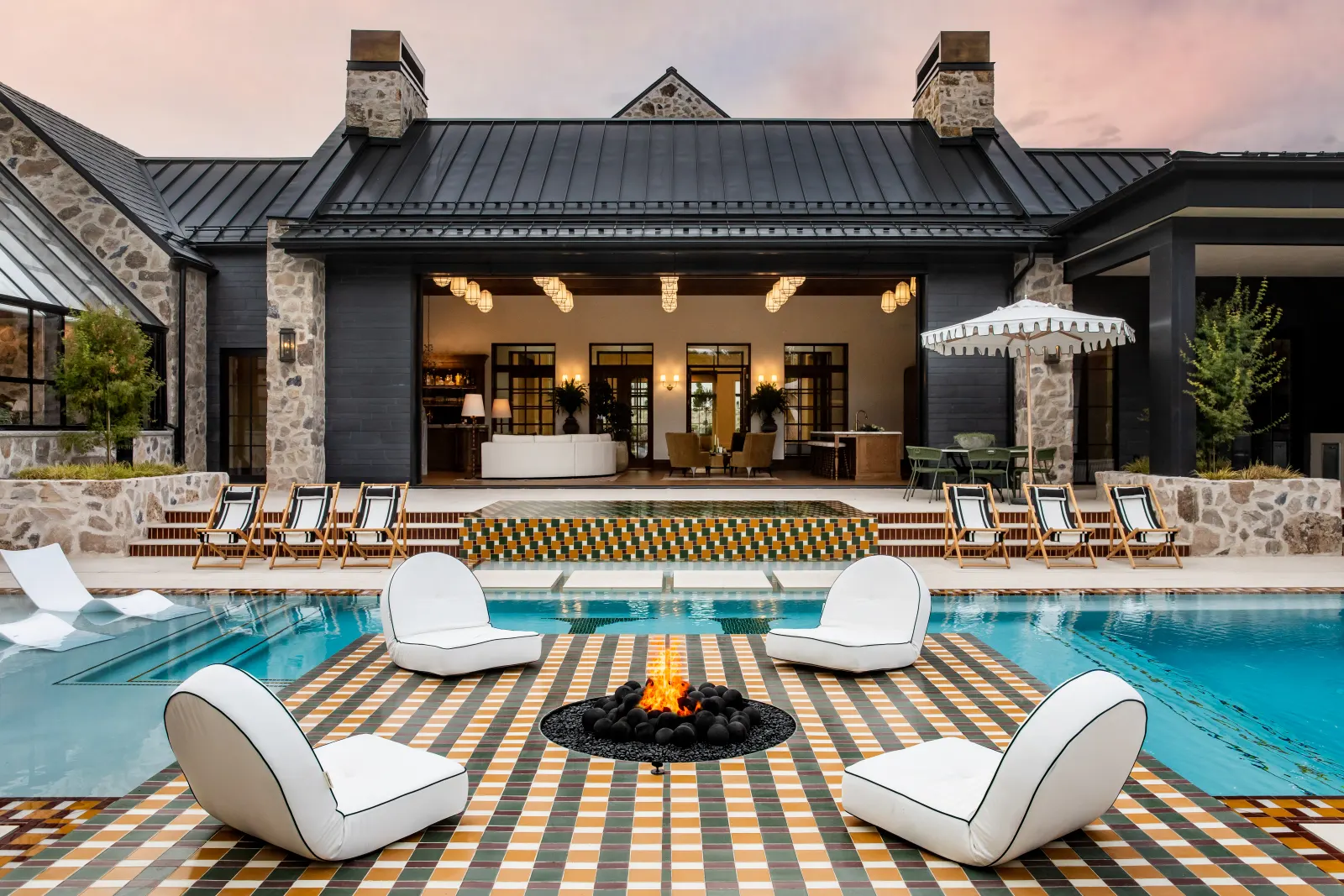
The architect, builder, landscape architect, interior designer, and specialty consultants should coordinate one site plan, one decision sequence, and shared design milestones.
Read field note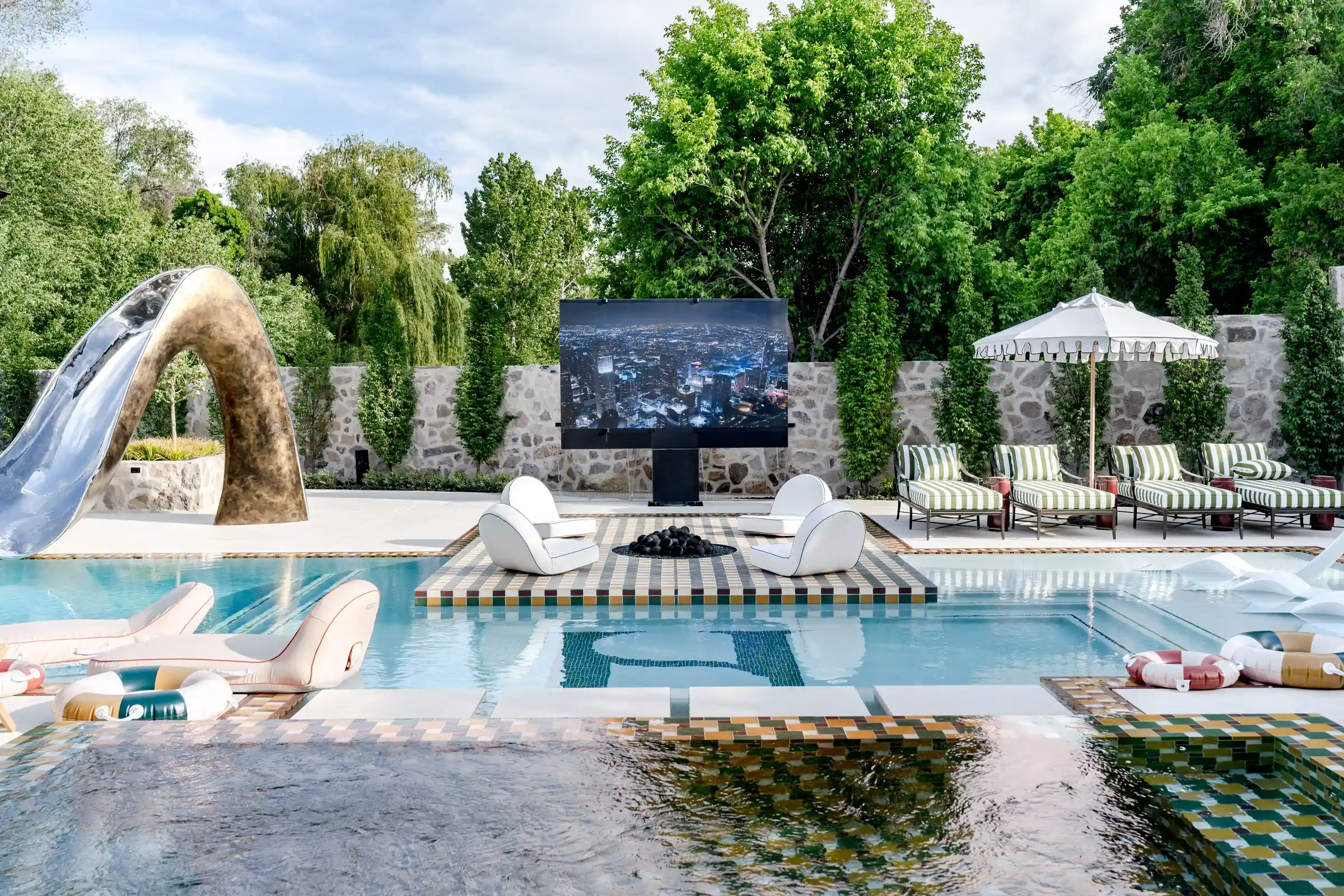
Yes. Start with one complete master plan, protect enabling work and future connections, then build coherent phases instead of disconnected features.
Read field note
Research, flexibility, safety, accessibility, and ongoing programming help multifamily outdoor amenities serve a wider range of residents.
Read field note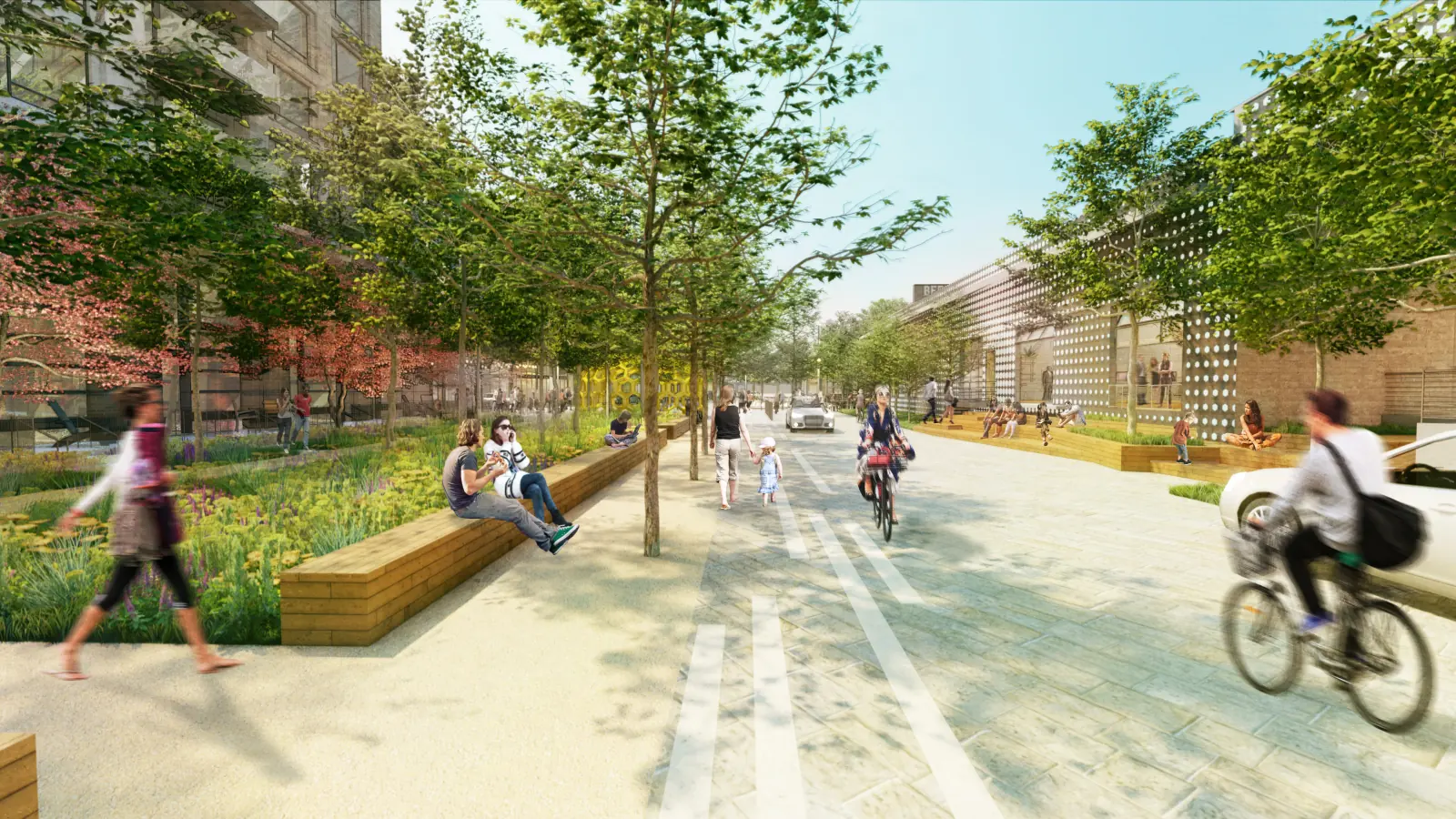
Four landscape architecture phases help development teams define the work, test the idea, coordinate details, and document the project for construction.
Read field note
How budgeting, creative alignment, consultant coordination, specialist knowledge, and communication can make an architect's outdoor-amenity work easier.
Read field note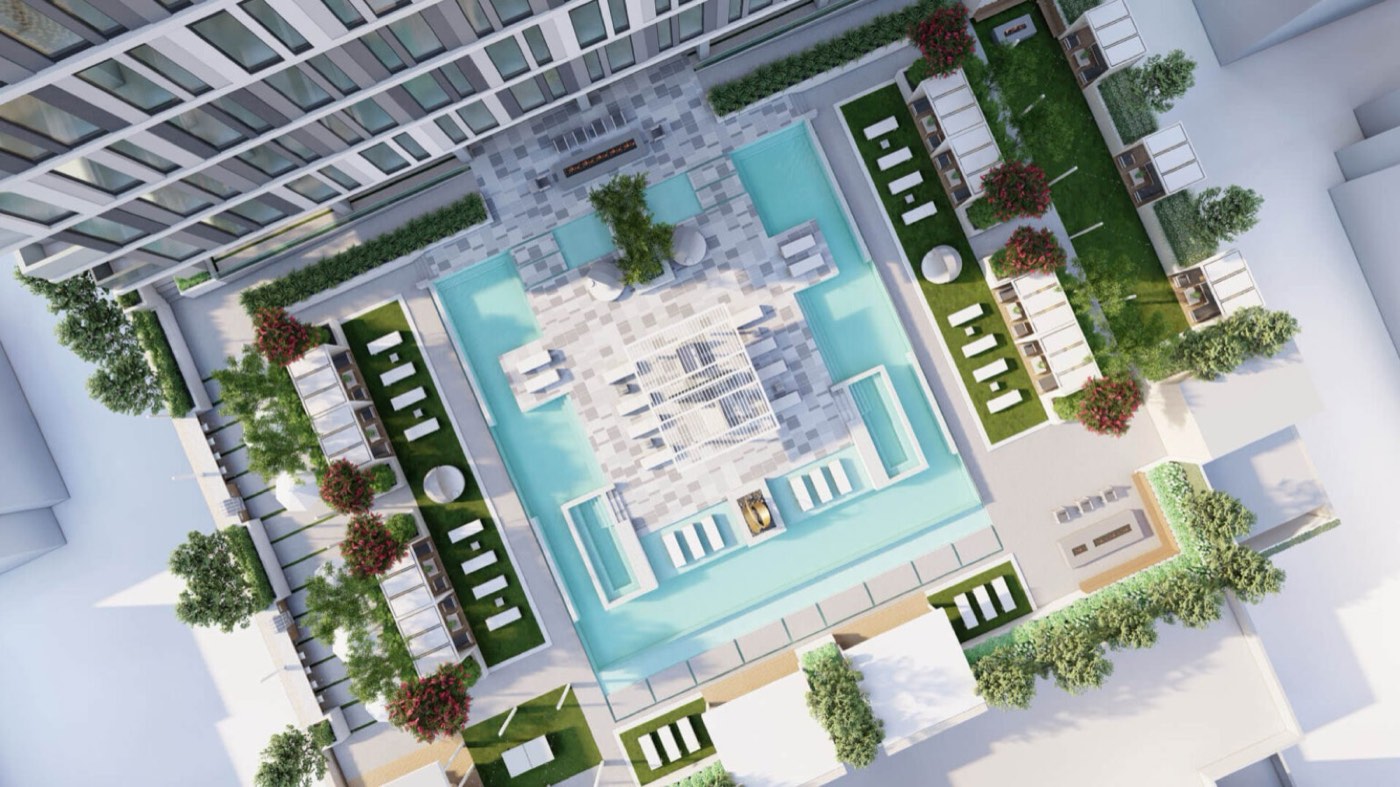
Rooftop amenity spaces are valuable, but they add complexity to a project. These design tips help teams protect the value of the effort.
Read field note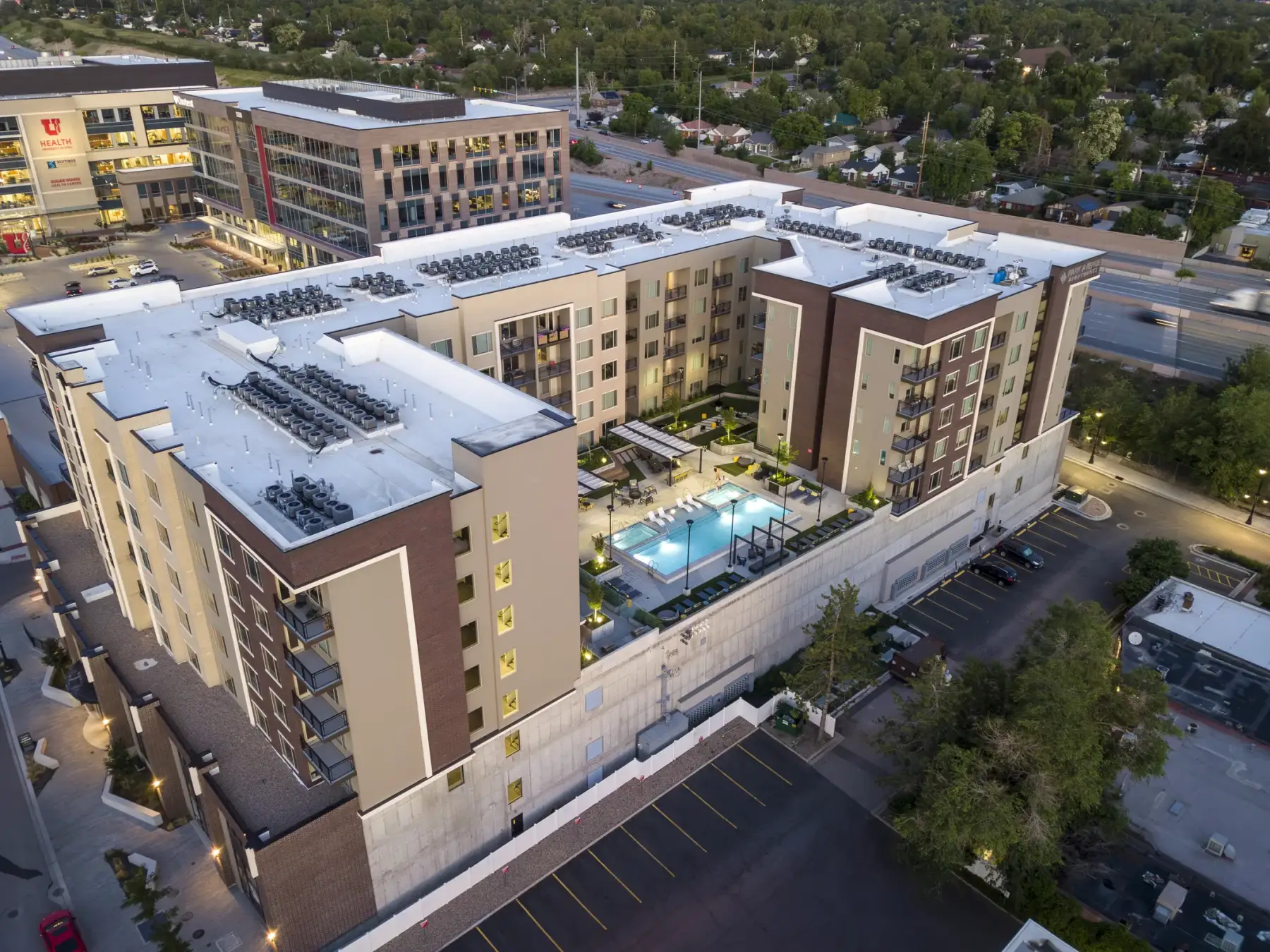
A 2023 architect interview about hospitality influence, right-sizing, programming, design narrative, cost, and the value of intentional rooftop amenities.
Read field note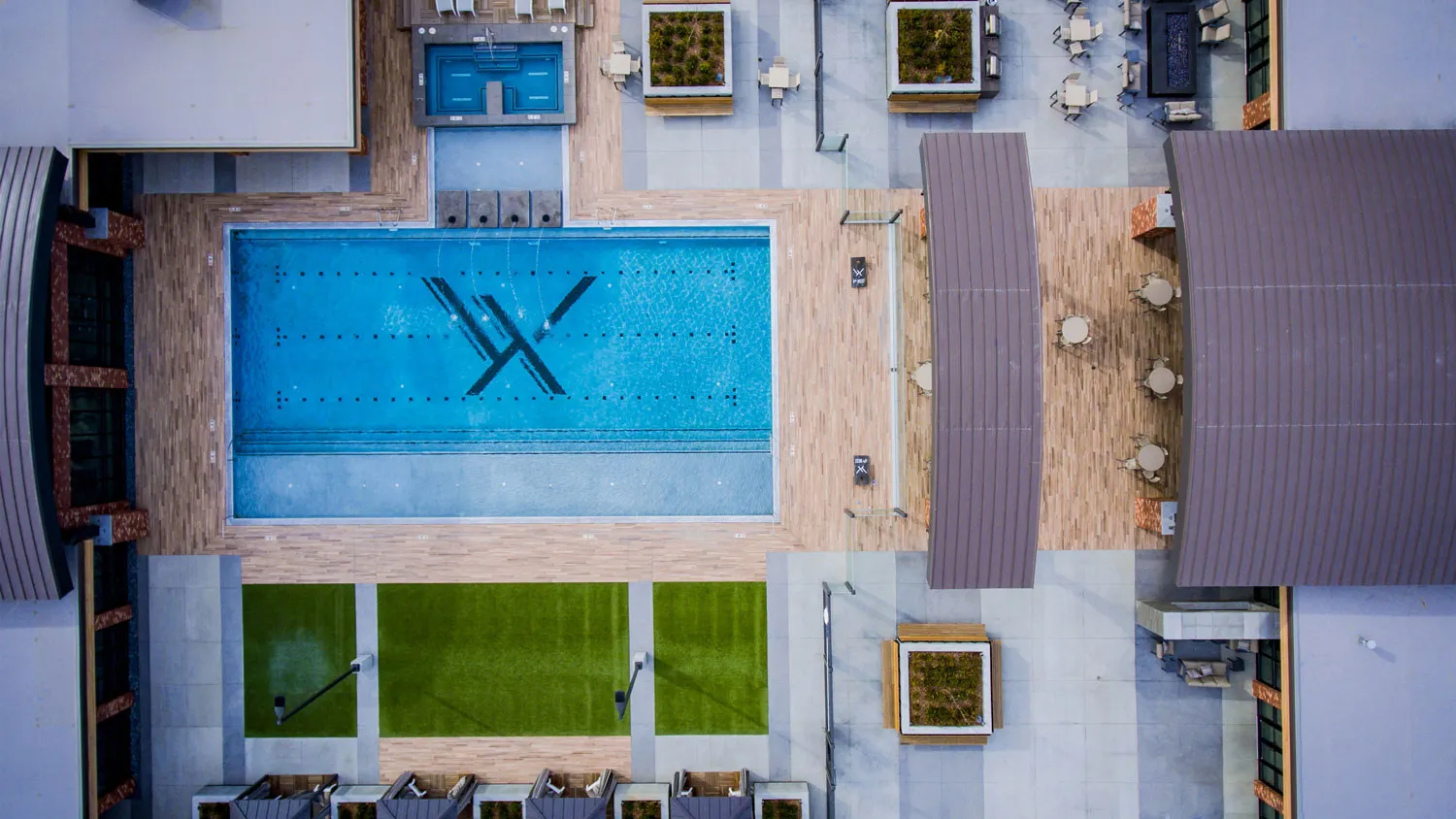
Rooftop requirements work as one system across structure, envelope, drainage, life safety, accessibility, MEP, microclimate, amenities, and operations.
Read field note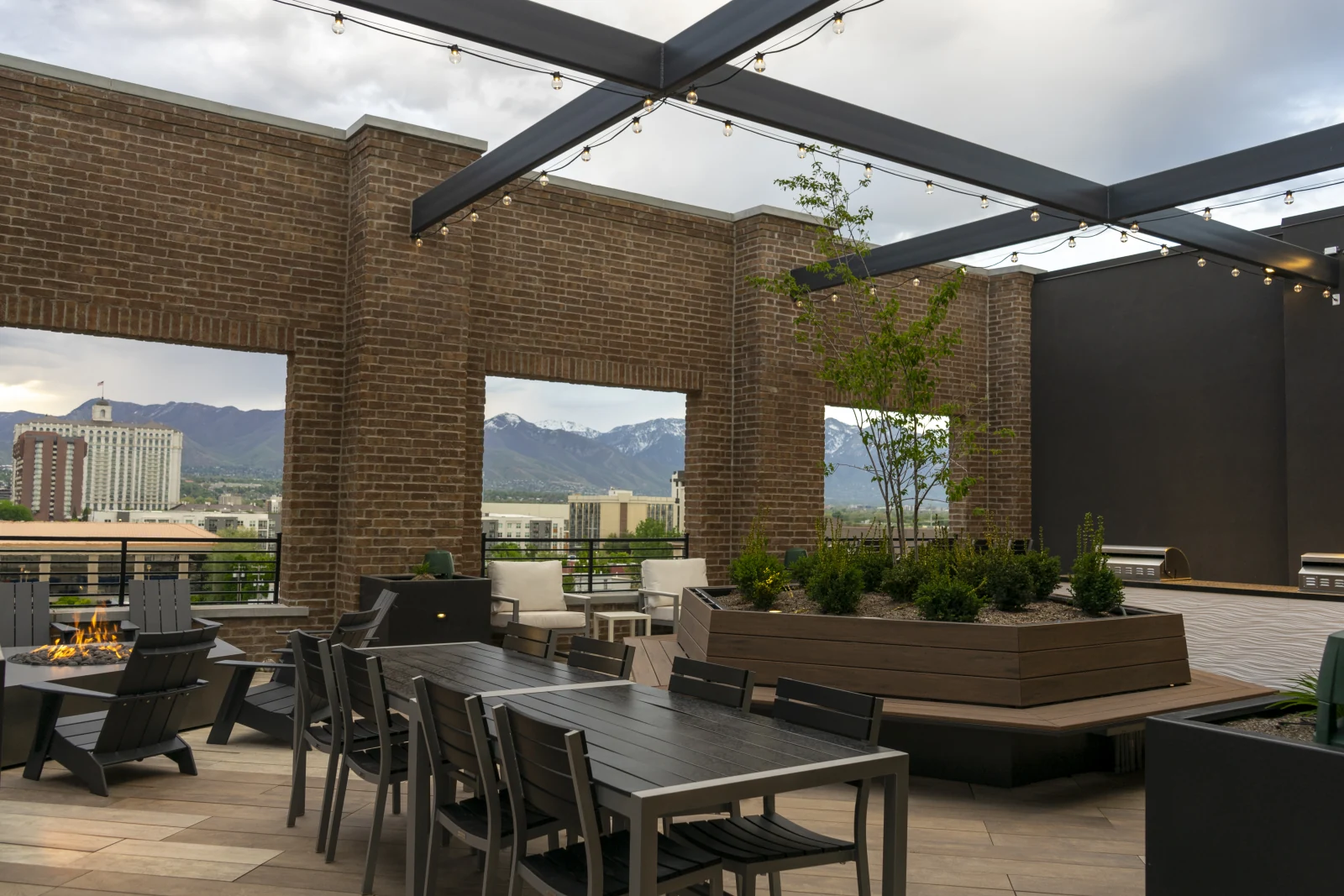
A rooftop feasibility study connects project outcomes, users, physical constraints, program scenarios, potential value, current cost, and a clear decision.
Read field note
A rooftop pool is worth building when the project can support its technical and operating demands and the water creates an experience the market values.
Read field noteOutdoor amenities express a property brand by translating its audience and emotional promise into behavior, atmosphere, and memorable physical moments.
Read field note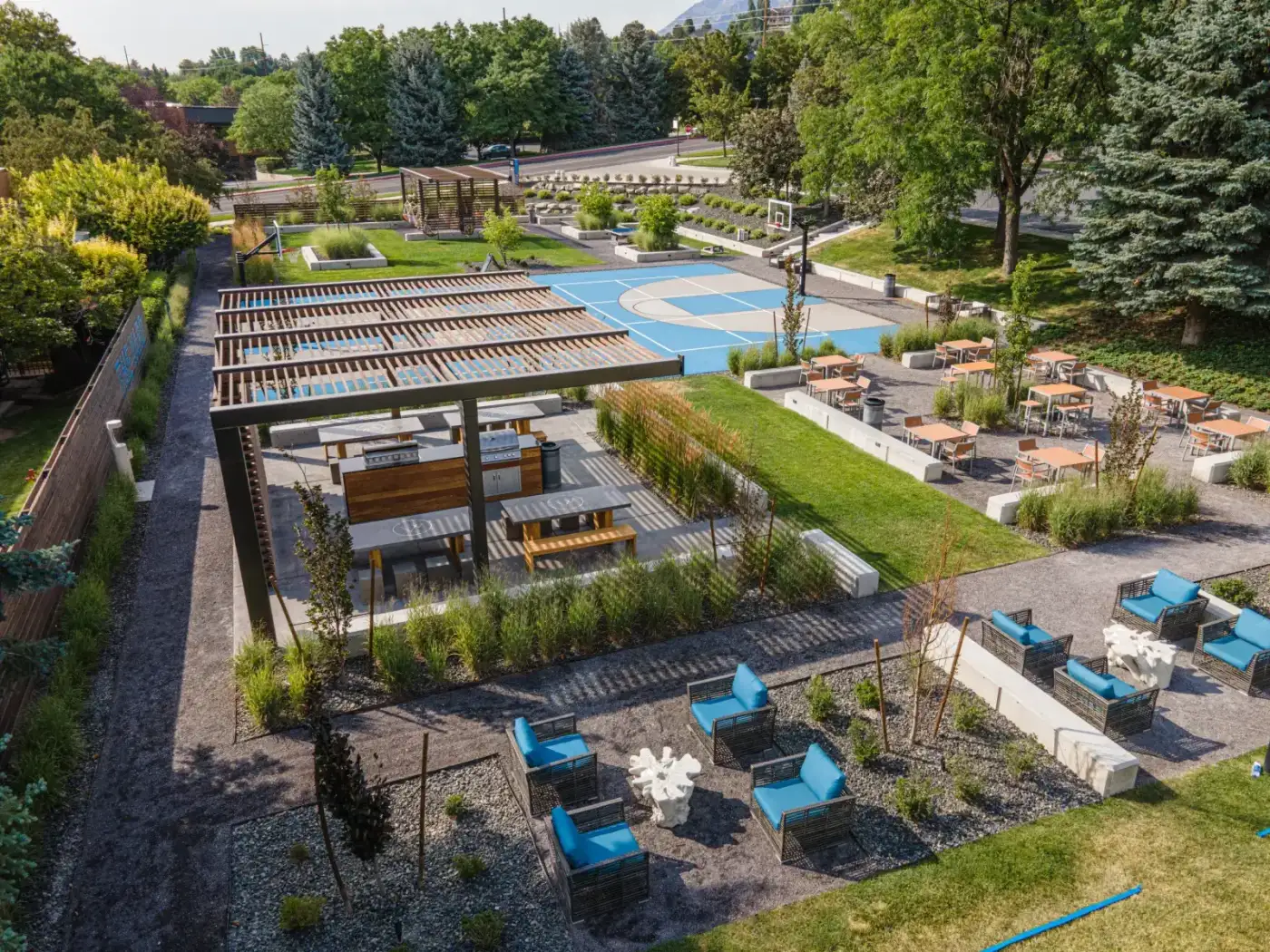
A rooftop renovation is worth considering when evidence shows a performance, safety, maintenance, or positioning gap that targeted design can solve.
Read field note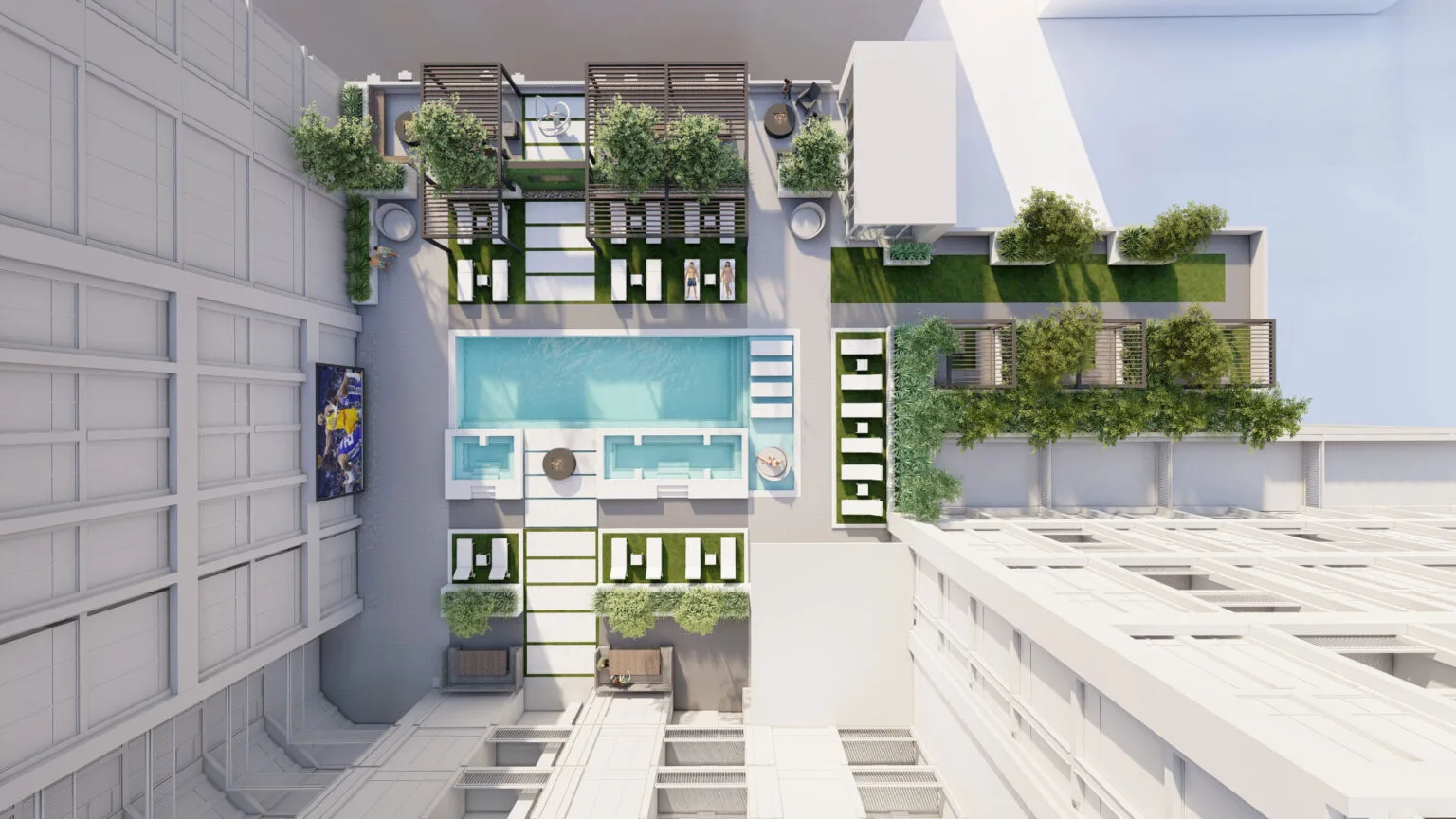
How market research, durable design, safety, cost-benefit decisions, and specialist coordination can protect a multifamily rooftop amenity investment.
Read field note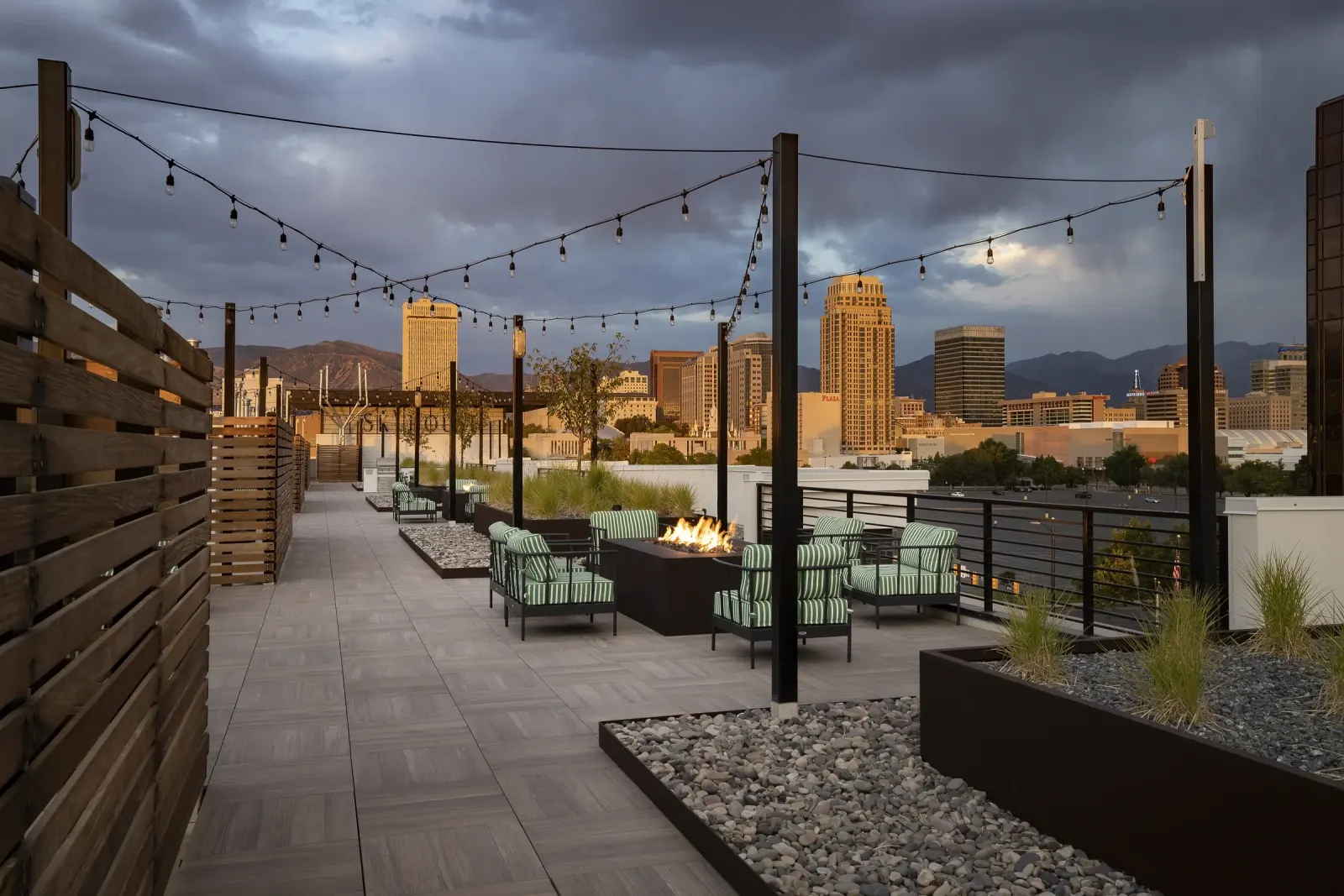
A rooftop becomes a marketing asset when its design creates a distinct promise, media proves the experience, and leasing connects it to daily life.
Read field note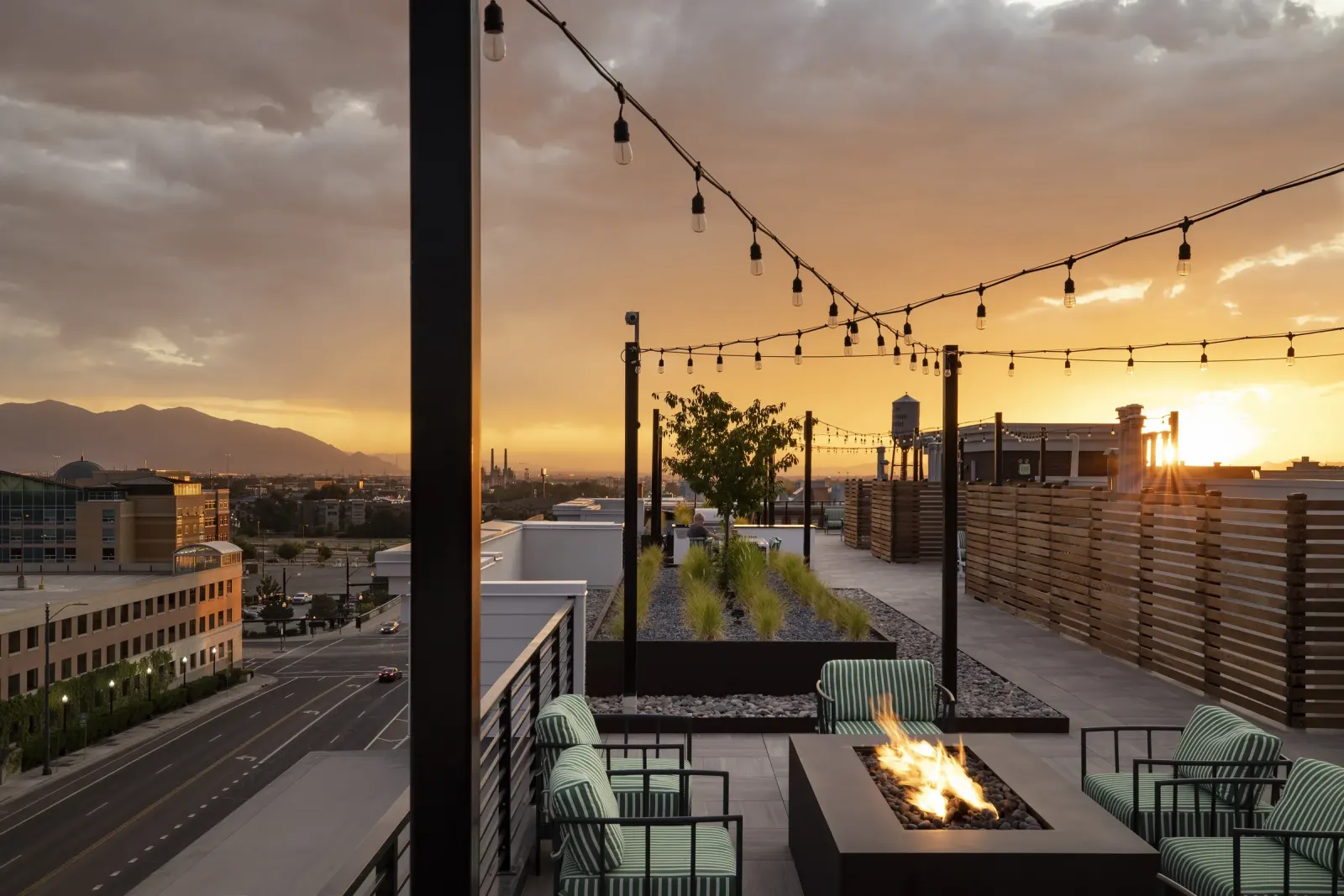
Strong rooftop amenities combine recognizable outdoor-living patterns with an original idea that fits the project, market, and future residents.
Read field note
A 2021 interview with two Utah property-management professionals on how rooftop amenities affect leasing, retention, operations, maintenance, and marketability.
Read field note
With early planning, developers can model the value rooftop amenities may add before breaking ground and carry both costs and revenue into the pro forma.
Read field note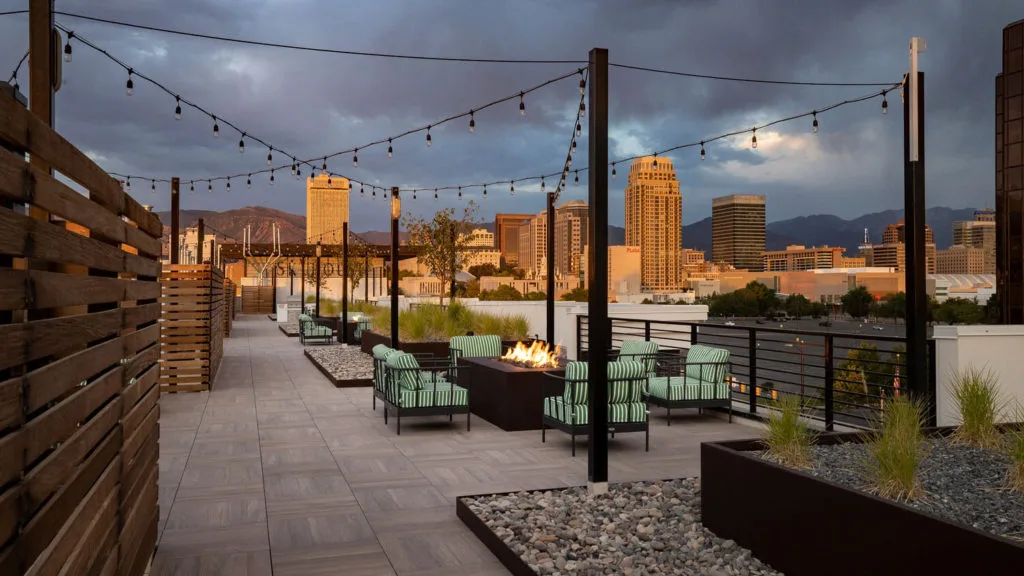
Budget-conscious rooftop design works best when teams establish priorities, coordinate early, and protect the few elements that carry the experience.
Read field note
Why developers should treat rooftop and outdoor amenities as essential resident-experience infrastructure rather than optional extras.
Read field noteCommunity support grows when developers listen early, make public value visible, explain tradeoffs, and carry design promises into durable commitments.
Read field note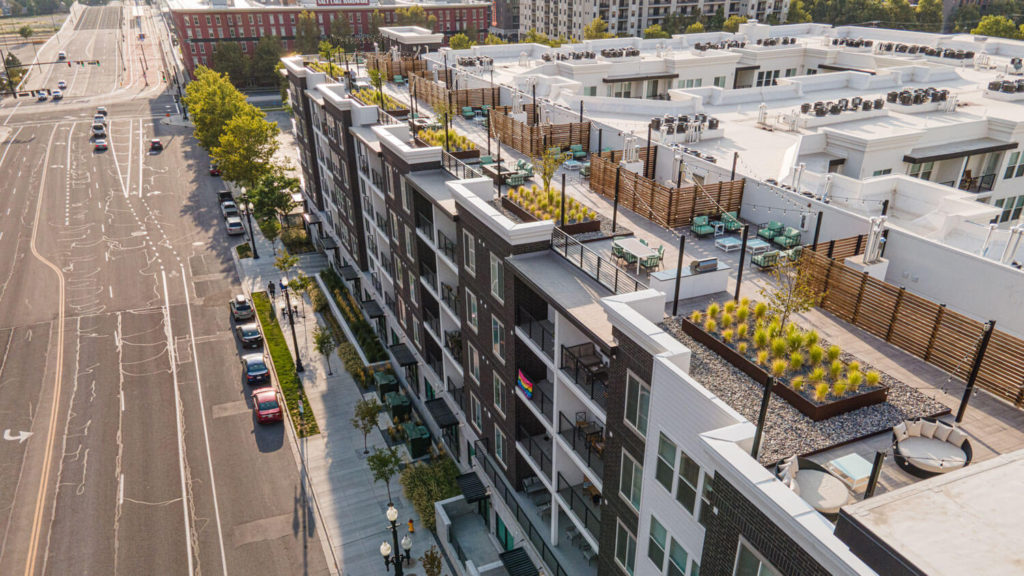
Outdoor amenities can influence occupancy, rent, and property value. This guide explains practical ways to estimate their financial impact.
Read field note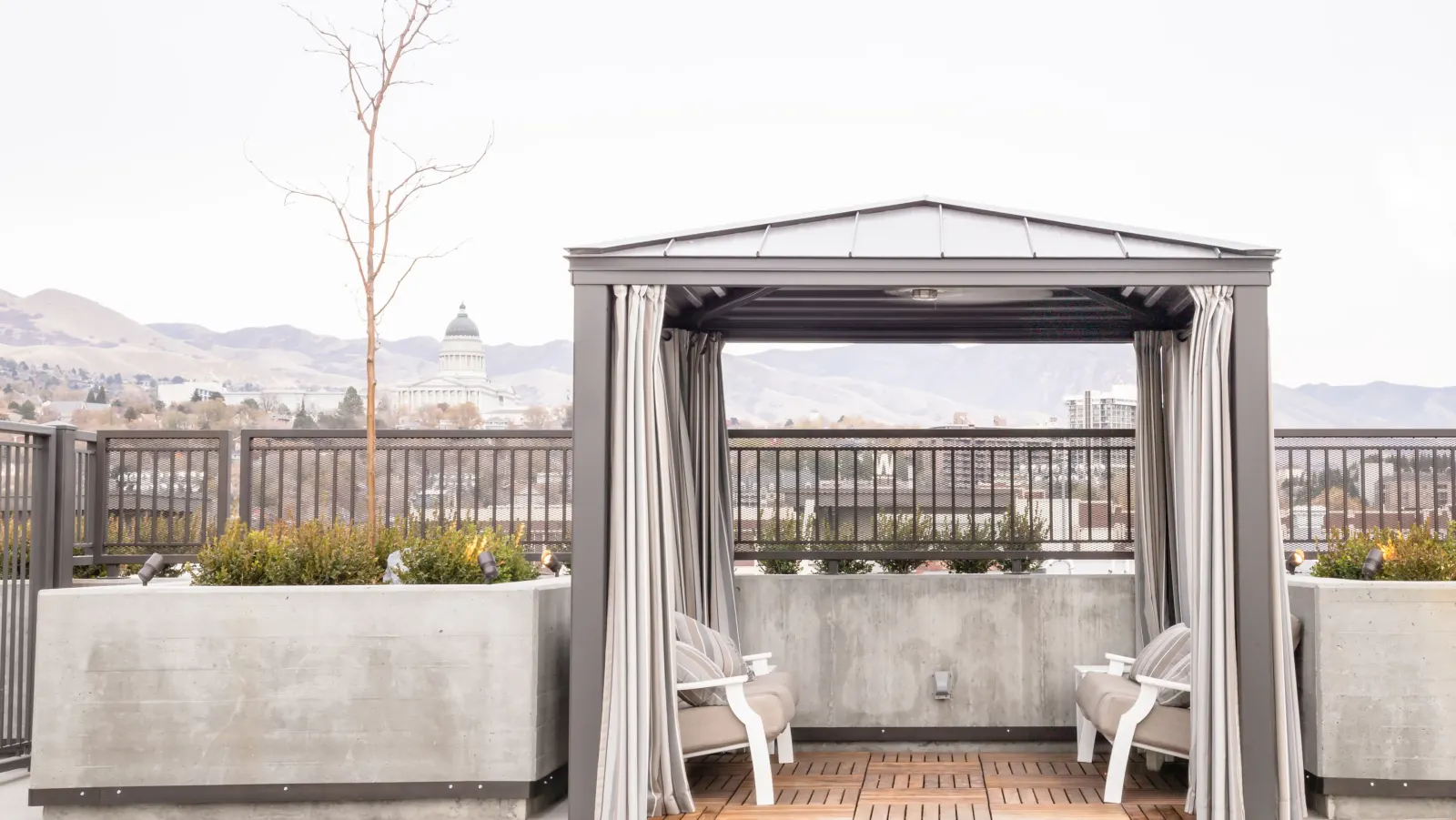
Specialists create value when repeatable complexity rewards deeper pattern recognition, earlier risk detection, and stronger creative range inside one problem.
Read field note
The definition of luxury keeps changing. This guide examines the outdoor amenities and experience decisions that distinguish a luxury development.
Read field note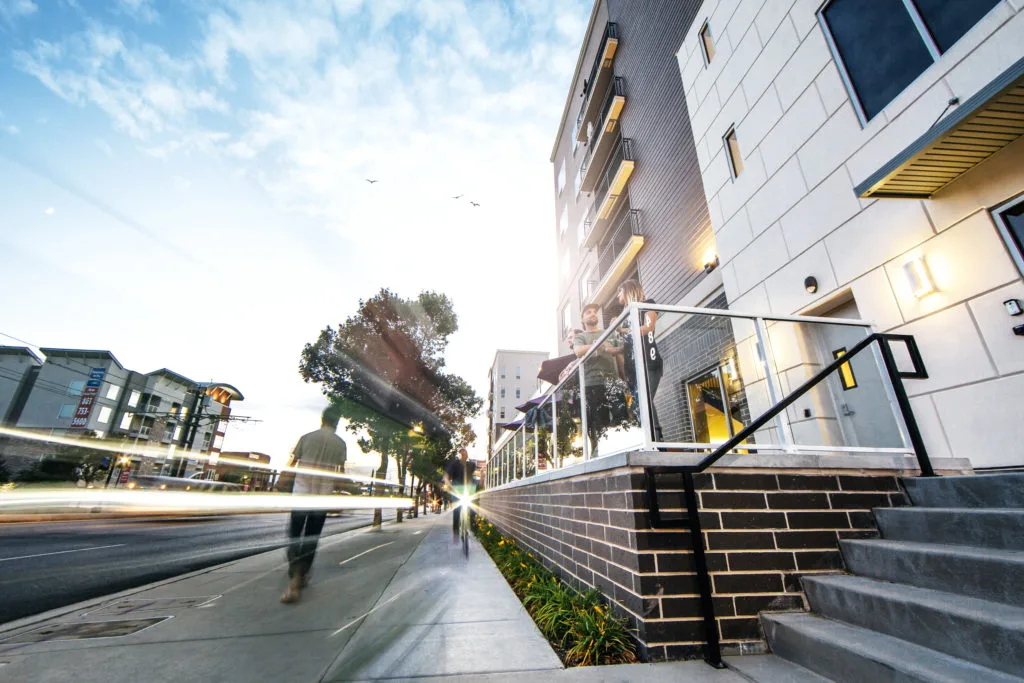
Five questions help development teams define the purpose, audience, program, budget, and long-term operation of community amenities before design begins.
Read field note
Three design principles for making an outdoor space over structure feel immersive, connected, and as compelling as a ground-level landscape.
Read field note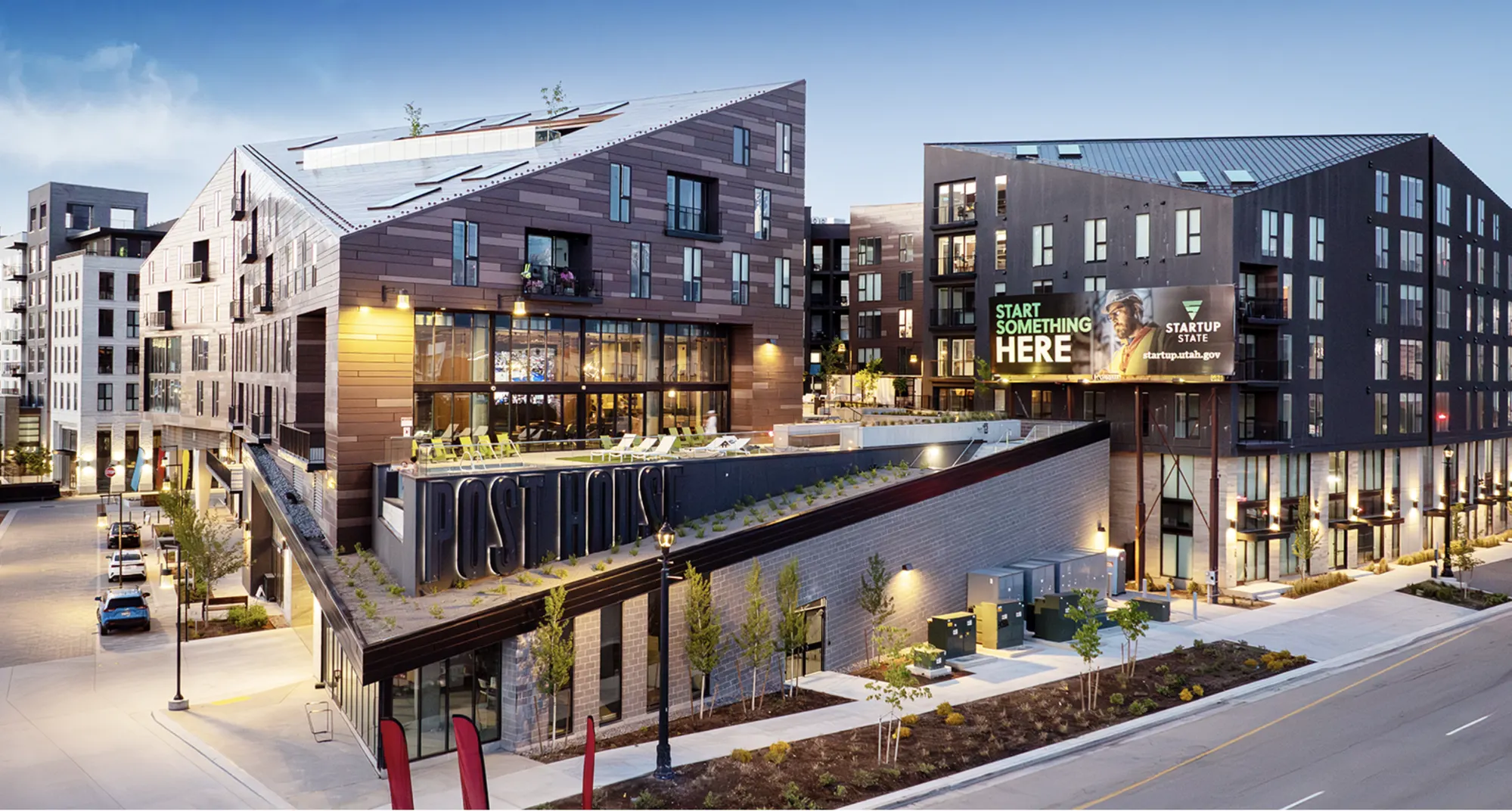
High-level landscape architecture connects site intelligence, user experience, outdoor program, budget, coordination, and delivery into one buildable strategy.
Read field note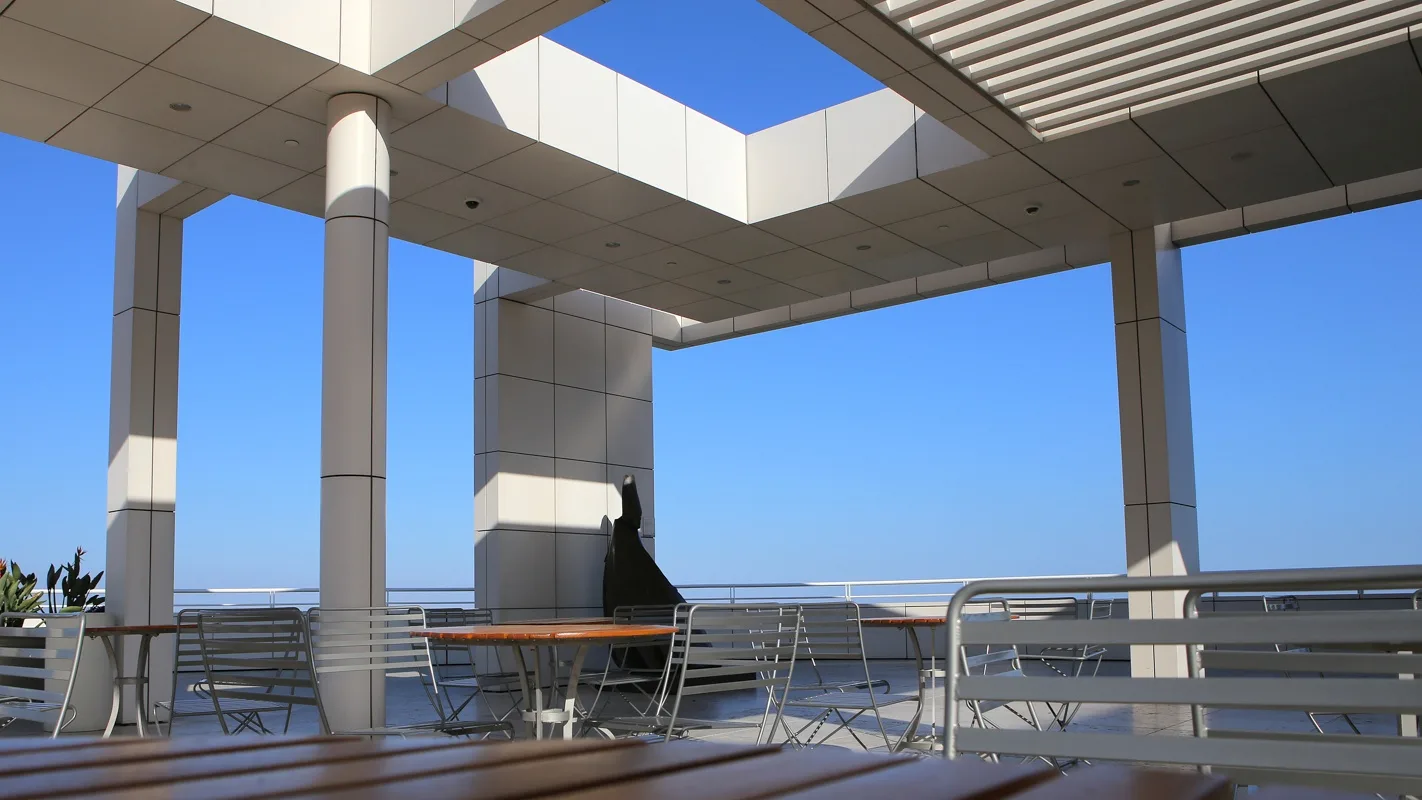
Six early warning signs in rooftop amenity planning, from coordination and timing to physical constraints, pro forma assumptions, and specialist involvement.
Read field note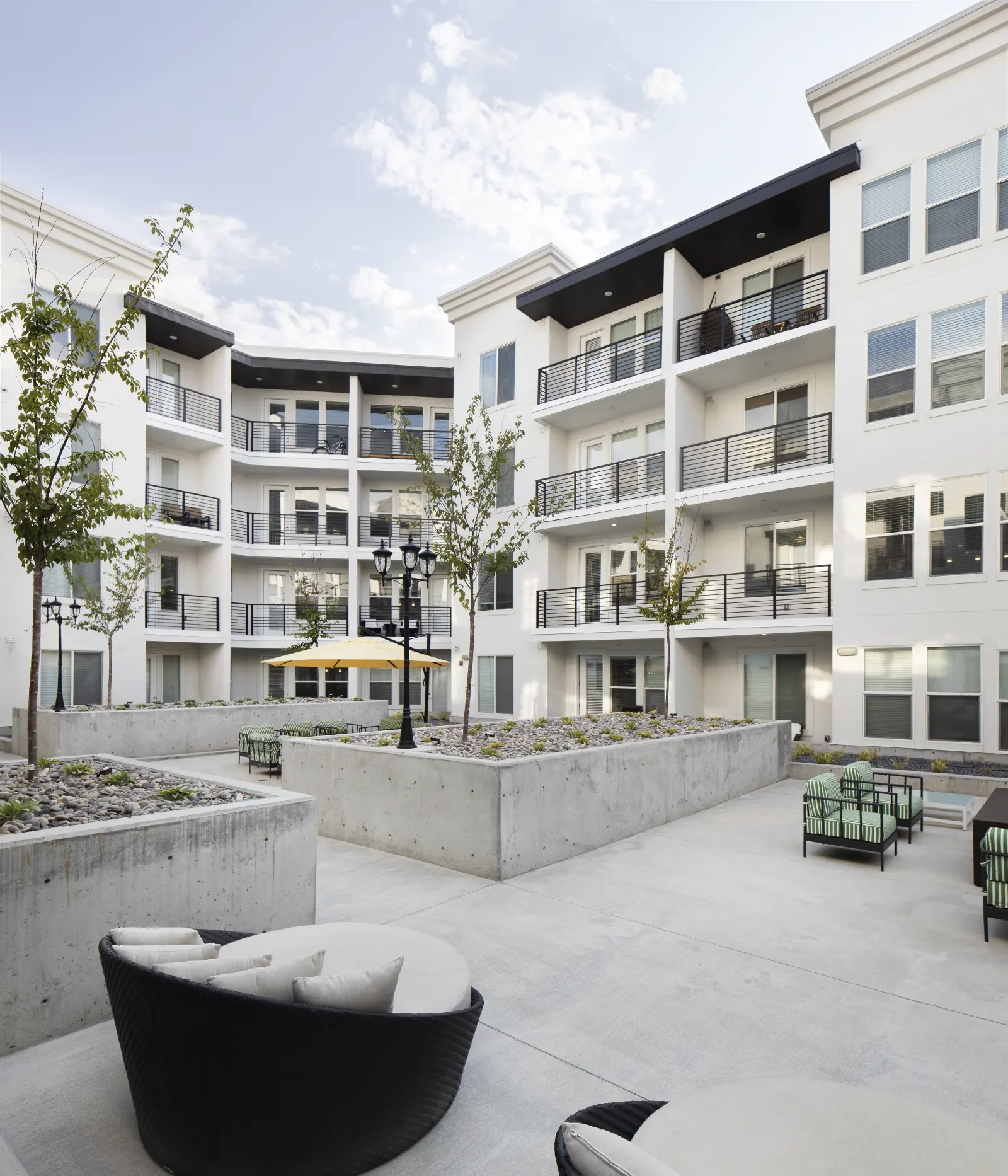
Water belongs on a rooftop when it serves a clear experience and the building can support its load, envelope, systems, safety, maintenance, and operations.
Read field note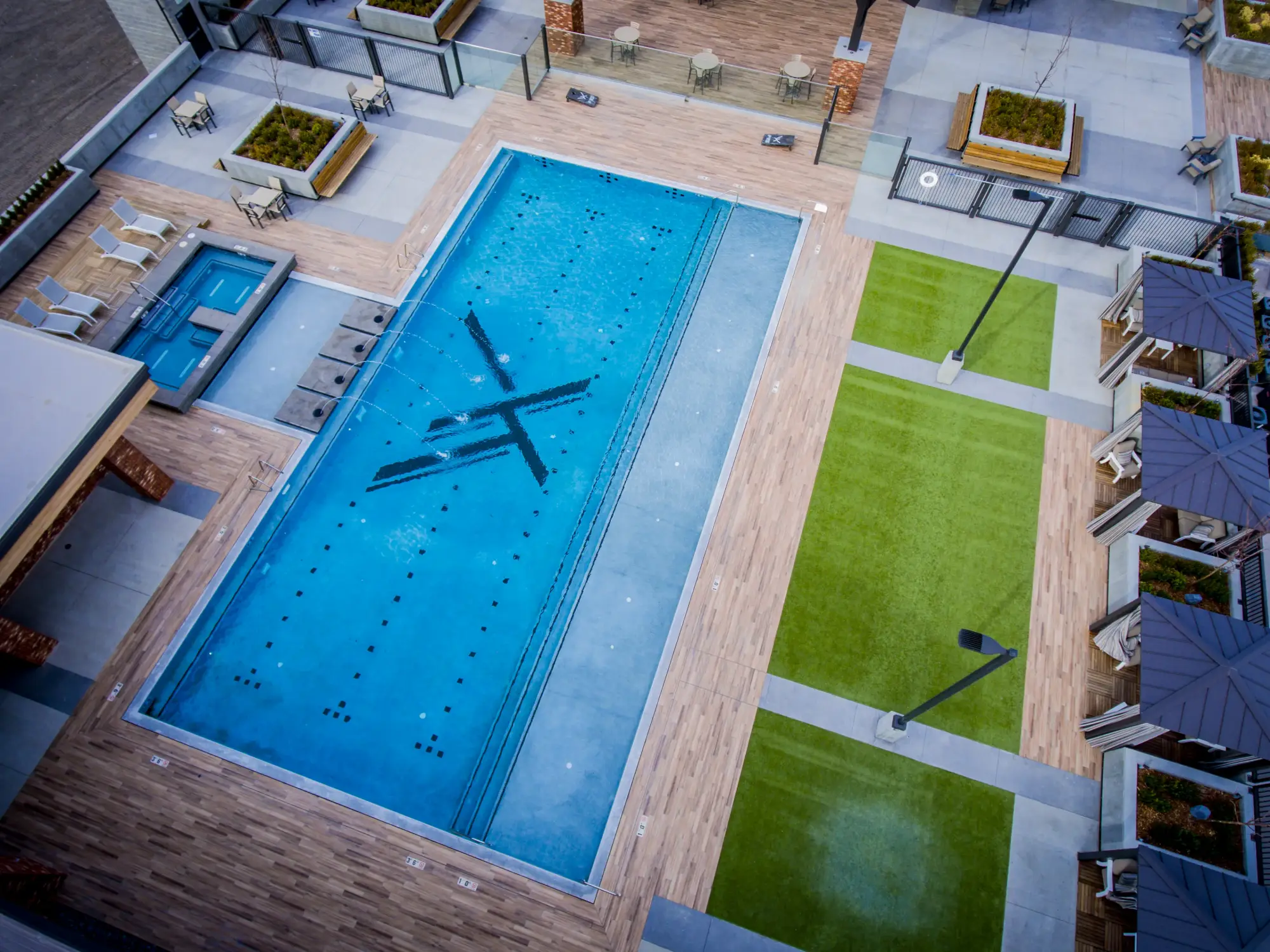
Architects should coordinate the experience, structure, roof envelope, life safety, building systems, and operations before a rooftop plan hardens.
Read field noteGot a real project behind the question?